
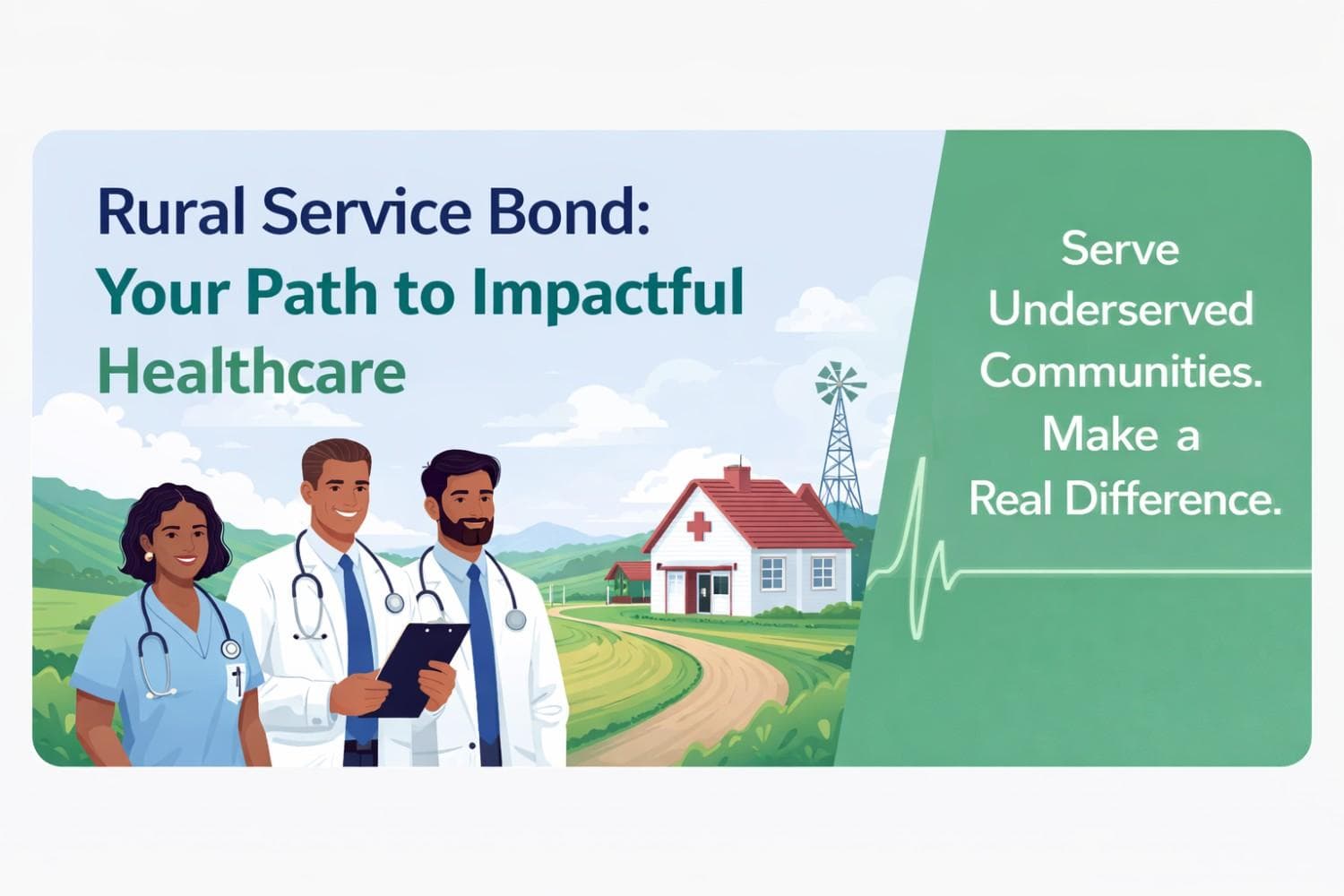
Rural Service Bond: Your Path to Impactful Healthcare
Table of Contents
In the world of healthcare, the disparity in access between urban and rural areas is a persistent challenge. Remote communities often face shortages of doctors, nurses, and allied health professionals, leading to significant gaps in essential services. This is where the concept of a 'Rural Service Bond' comes into play – a powerful mechanism designed to bridge these gaps. But what exactly is it, and what do you need to know before committing?
What is a Rural Service Bond?
A Rural Service Bond is essentially a contractual agreement, typically between a student (often in medicine, nursing, or allied health) and a government or healthcare organization. In exchange for financial support during their studies (such as scholarships, tuition fee reductions, or living allowances), the student commits to working in a designated rural or remote area for a specified period after graduation. This period can range from a few years to longer terms, depending on the program.
Why Do Rural Service Bonds Exist?
The primary driver behind these bonds is the critical need to address healthcare workforce maldistribution. By incentivizing healthcare professionals to practice in underserved areas, governments aim to:
- Improve Access: Ensure that rural residents have equitable access to quality healthcare services.
- Reduce Shortages: Fill vacant positions and build a stable, long-term healthcare workforce in remote regions.
- Support Local Communities: Boost the health and well-being of populations that might otherwise be neglected.
Who is Eligible and How Does it Work?
Eligibility for Rural Service Bonds typically targets students pursuing degrees in high-demand healthcare fields. While medical students are often the most prominent group, programs also extend to nurses, dentists, physiotherapists, occupational therapists, psychologists, and other allied health professionals.
The process generally involves:
- Application & Selection: Students apply for a bond program, often during their undergraduate or postgraduate studies, and are selected based on academic merit, commitment to rural health, and other criteria.
- Financial Support: Upon acceptance, the student receives financial assistance throughout their education.
- Service Obligation: After graduating and gaining appropriate licensure, the professional is obligated to work in a pre-approved rural or remote location for the agreed-upon duration.
- Placement: Placements are usually in areas classified as having a significant healthcare shortage, often defined by specific geographic classification systems (e.g., Modified Monash Model in Australia).
The Benefits: More Than Just Financial Aid
While financial assistance is a clear advantage, Rural Service Bonds offer numerous other benefits:
- Guaranteed Employment: Often, there's an assurance of a job upon graduation, reducing the stress of job searching.
- Unique Clinical Experience: Rural practice often provides a broader scope of practice, challenging professionals to develop a wider range of skills and take on more responsibility due to limited specialists.
- Community Impact: The opportunity to make a tangible, direct difference in the health and lives of a close-knit community.
- Professional Growth: Accelerated learning, strong patient relationships, and often a chance to work closely with local leaders.
- Financial Incentives: Beyond the initial bond, some rural positions may offer higher salaries, additional allowances, or housing subsidies.
The Challenges: Considerations Before You Commit
Committing to a Rural Service Bond is a significant decision and comes with its own set of challenges:
- Geographic Isolation: Being away from major cities, family, and established social networks can be difficult for some.
- Limited Resources: Access to specialized equipment, advanced diagnostic tools, and referral pathways might be more restricted than in urban settings.
- Broader Scope, Fewer Specialists: While a benefit for skill development, it can also mean carrying a heavier burden of care without immediate access to specialist colleagues.
- Personal Adjustment: Adapting to a different lifestyle, fewer amenities, and potentially smaller social circles requires resilience.
- Breaking the Bond: Non-compliance can lead to substantial financial penalties, often requiring repayment of all financial aid received, sometimes with interest.
Key Things to Know Before Signing
If you're considering a Rural Service Bond, here are crucial steps to take:
- Read the Fine Print: Thoroughly understand all terms and conditions, including the length of service, types of locations, penalties for breach, and deferment policies.
- Research Potential Locations: Explore the kinds of communities you might serve. Consider visiting rural areas or talking to professionals who have worked there.
- Assess Your Personal Readiness: Reflect on your adaptability, desire for community involvement, and willingness to embrace a different pace of life.
- Talk to Current/Past Bond Recipients: Gain firsthand insights into the realities of the program and rural practice.
- Understand Support Systems: Inquire about mentorship, professional development opportunities, and support networks available to rural practitioners.
Conclusion
A Rural Service Bond is more than just a scholarship; it's a commitment to a cause – the health of underserved communities. For the right individual, it offers an incredibly rewarding career path filled with unique challenges, profound impacts, and unparalleled opportunities for professional and personal growth. By understanding the intricacies, benefits, and challenges, you can make an informed decision that could shape not only your career but also the lives of countless individuals in need.