
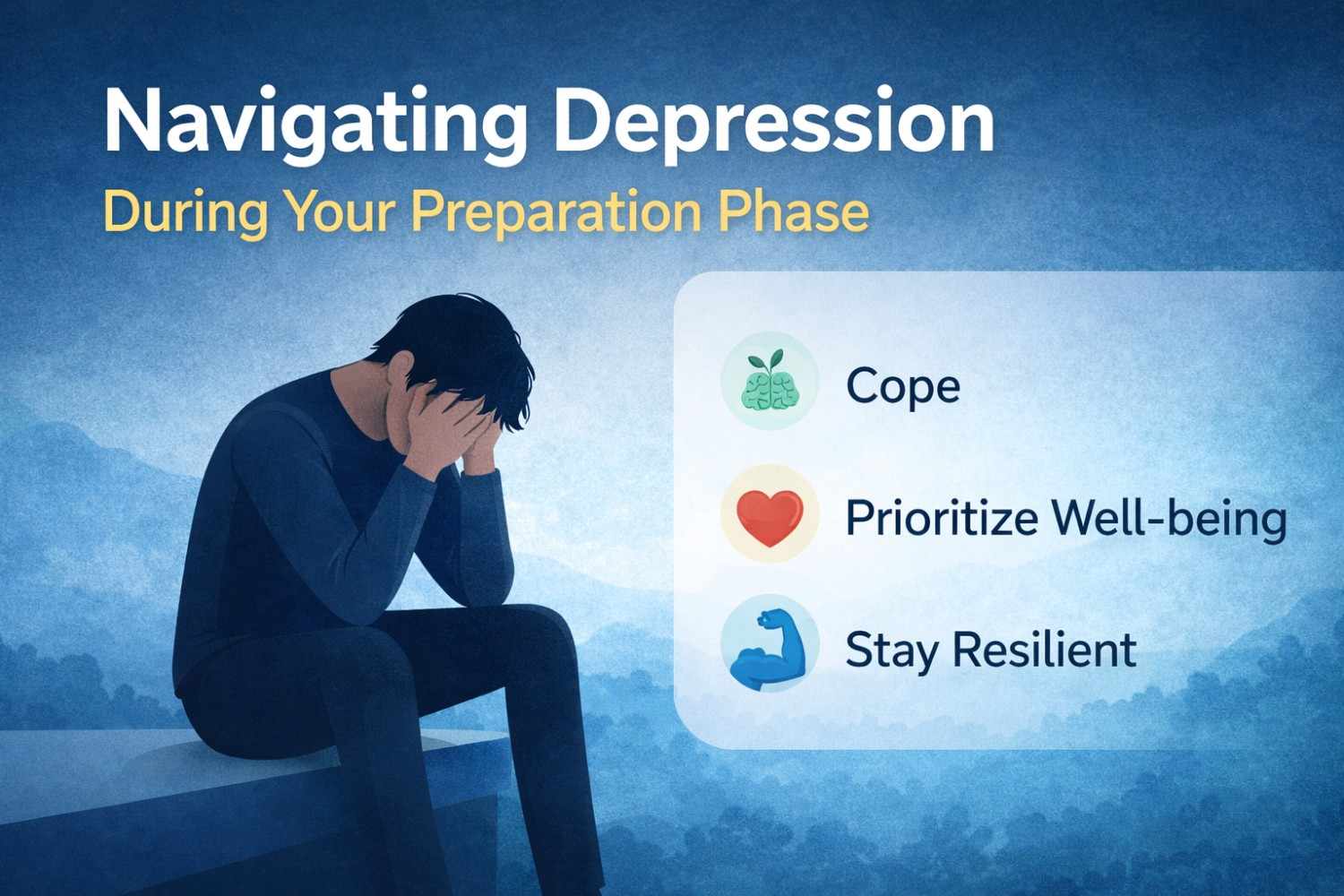
Navigating Depression During Your Preparation Phase
Table of Contents
The 'preparation phase' – whether it's for exams, a career change, a major project, or a significant life transition – is often envisioned as a period of intense focus, productivity, and unwavering determination. However, for many, it can also be a time when the shadows of depression loom large, making every task feel monumental and every step forward feel like wading through quicksand.
If you're grappling with depression while trying to prepare for something important, know that you are not alone. The pressure, isolation, self-doubt, and sheer exhaustion associated with intense preparation can be fertile ground for depressive symptoms. But it is possible to navigate this challenging period with greater resilience and self-compassion.
Understanding the Link: Why Preparation Can Trigger/Worsen Depression
- High Stakes & Pressure: The outcome of your preparation often feels incredibly important, leading to immense stress and fear of failure.
- Isolation: Intense focus can mean sacrificing social interactions, leading to feelings of loneliness.
- Exhaustion: Long hours, disrupted sleep, and poor nutrition are common, depleting both physical and mental reserves.
- Perfectionism: The drive to achieve 'the best' can create an endless cycle of self-criticism and inadequacy.
- Loss of Routine/Hobbies: Giving up activities that bring joy can strip away vital coping mechanisms.
Strategies for Coping with Depression During Preparation
1. Acknowledge and Validate Your Feelings
The first step is to recognize that what you're feeling is real and valid. It’s okay not to be okay, even when you 'should' be focused. Suppressing these feelings only makes them stronger. Give yourself permission to experience them without judgment.
2. Prioritize Self-Care – Non-Negotiably
Self-care isn't a luxury; it's essential for your mental health, especially during demanding times. Treat it as part of your preparation:
- Sleep: Aim for consistent, adequate sleep. It's more productive to study for 6 hours well-rested than 8 hours exhausted.
- Nutrition: Fuel your body and brain with healthy, regular meals. Avoid excessive caffeine or sugary snacks that lead to crashes.
- Movement: Incorporate some form of physical activity daily. Even a 20-minute walk can significantly boost mood and reduce stress.
- Breaks: Schedule regular, meaningful breaks away from your work. Disconnect entirely to recharge.
3. Break Down Tasks & Manage Expectations
Overwhelm is a hallmark of depression. Break your grand preparation goal into tiny, manageable steps. Focus only on the next small task. Celebrate these mini-victories. Also, challenge perfectionistic tendencies; aiming for 'good enough' is often more sustainable than striving for an impossible ideal.
4. Maintain Social Connections (Even Briefly)
Isolation fuels depression. Make a conscious effort to stay connected with friends, family, or support groups. Even short calls, virtual chats, or a quick coffee can provide a vital sense of belonging and perspective.
5. Practice Mindfulness and Relaxation Techniques
Incorporate tools like deep breathing exercises, meditation, or progressive muscle relaxation into your daily routine. These can help regulate your nervous system, reduce anxiety, and bring you back to the present moment when your mind is racing or spiraling.
6. Seek Professional Support
If depressive symptoms are severe, persistent, or interfering significantly with your ability to function, seeking professional help is crucial. A therapist, counselor, or doctor can provide strategies, medication if necessary, and a safe space to process your feelings. Remember, asking for help is a sign of strength, not weakness.
7. Reflect on Your 'Why'
Remind yourself of the reasons you embarked on this preparation phase. Connecting with your core values and long-term goals can reignite motivation and provide a sense of purpose when depression makes everything feel meaningless.
Dealing with depression during a crucial preparation phase is incredibly tough, but it's not an insurmountable obstacle. By integrating intentional self-care, seeking support, and adjusting your approach, you can navigate this period with greater well-being and emerge stronger on the other side. Your mental health is as vital to your success as your effort.