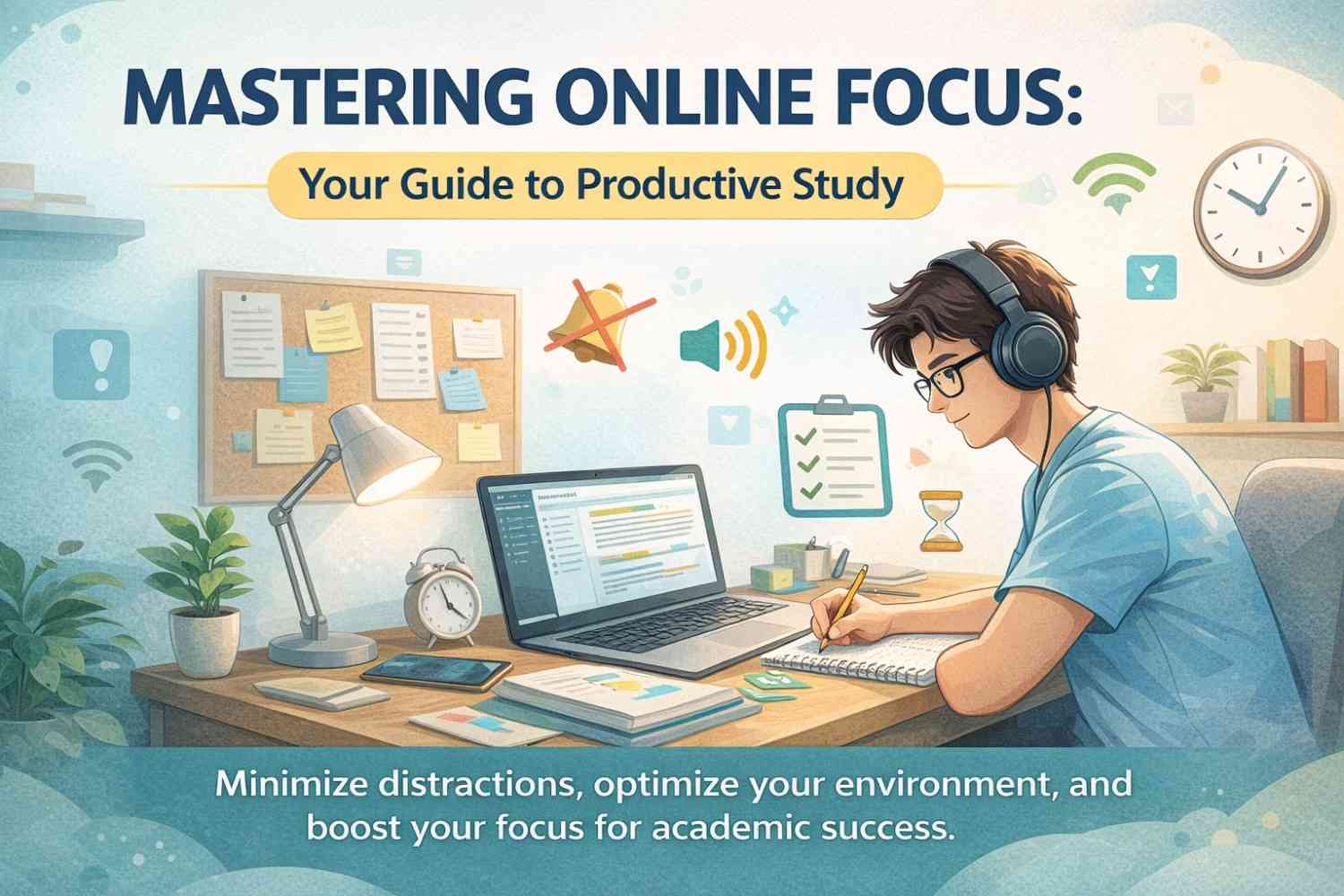

Mastering NEET: Optimize Your Sleep & Diet for Success
Table of Contents
Preparing for NEET is an intense marathon, not a sprint. While rigorous study is paramount, many aspirants overlook two critical pillars of success: a healthy sleep cycle and a balanced diet. These aren't just about general well-being; they directly impact your memory, concentration, energy levels, and stress management – all crucial for acing one of India's toughest exams.
The Power of a Proper Sleep Cycle for NEET Aspirants
Sleep isn't a luxury; it's a fundamental biological necessity, especially for students. During sleep, your brain consolidates memories, processes information, and clears out metabolic byproducts that accumulate during wakefulness. Lack of sleep can lead to:
- Reduced concentration and focus
- Impaired memory and learning ability
- Increased stress and anxiety
- Weakened immune system
- Irritability and mood swings
Your Ideal Sleep Strategy:
- Aim for 7-8 Hours: Most students require 7-8 hours of quality sleep per night. Don't compromise on this, thinking you're gaining study time; you're likely losing productive wake time.
- Maintain Consistency: Go to bed and wake up at roughly the same time every day, even on weekends. This regulates your body's natural circadian rhythm.
- Establish a Bedtime Routine: Wind down 30-60 minutes before bed. This could involve reading a non-academic book, listening to calming music, or light stretching.
- Limit Screen Time: Avoid electronic devices (phones, laptops, tablets) for at least an hour before sleep. The blue light emitted can disrupt melatonin production.
- Optimize Your Sleep Environment: Ensure your bedroom is dark, quiet, and cool. A comfortable mattress and pillow also contribute to better sleep quality.
- Avoid Late-Night Studying: While sometimes necessary, consistently pulling all-nighters is detrimental. Your brain needs time to process new information.
- Judicious Napping: If you must nap, keep it short (20-30 minutes) and early in the afternoon to avoid interfering with nighttime sleep.
Fueling Your Brain: A Diet Plan for NEET Success
What you eat directly impacts your energy, mood, and cognitive function. A well-planned diet can sustain you through long study hours and intense exam pressure.
Key Dietary Components:
- Complex Carbohydrates: These are your primary source of sustained energy. Opt for whole grains like oats, brown rice, whole wheat bread, quinoa, and sweet potatoes. They release glucose slowly, preventing energy crashes.
- Proteins: Essential for brain function, satiety, and muscle repair. Include lean meats (chicken, fish), eggs, lentils, beans, paneer, tofu, and dairy products in your diet.
- Healthy Fats: Crucial for brain health and nutrient absorption. Incorporate nuts (almonds, walnuts), seeds (chia, flax, pumpkin), avocado, and olive oil. Omega-3 fatty acids (found in fatty fish like salmon, and flaxseeds) are particularly beneficial for cognitive function.
- Fruits and Vegetables: Rich in vitamins, minerals, and antioxidants, they boost immunity and protect brain cells. Aim for a variety of colorful fruits and vegetables daily.
- Hydration: Water is often overlooked but vital. Dehydration can lead to fatigue, headaches, and reduced concentration. Drink plenty of water throughout the day; limit sugary drinks and excessive caffeine.
What to Limit or Avoid:
- Processed Foods and Sugary Snacks: While they offer a quick energy boost, they lead to inevitable crashes and offer little nutritional value.
- Excessive Caffeine: While a cup of coffee can help, over-reliance can disrupt sleep patterns and lead to anxiety. Time your caffeine intake carefully.
- Heavy, Greasy Meals: These can make you feel sluggish and divert energy towards digestion rather than mental tasks.
- Skipping Meals: Never skip breakfast! It kickstarts your metabolism and provides essential fuel after hours of fasting. Regular, smaller meals throughout the day are often more effective than 2-3 large ones.
The Synergy: Sleep, Diet, and NEET Success
Remember, your sleep cycle and diet plan are interconnected. A poor diet can lead to restless sleep, and lack of sleep can make you crave unhealthy foods. By optimizing both, you create a powerful synergy that supports your physical and mental well-being, enabling you to study more effectively, retain information better, and perform optimally on exam day.
Invest in your health alongside your studies. Prioritizing proper sleep and nutrition isn't a distraction; it's a strategic move that will significantly enhance your NEET preparation and overall success. Good luck!